





First Impressions Of The Platform
A lot of casino articles start with noise. Big claims, bigger adjectives, not much substance. This one takes a different route. The more useful question is simple: what is it actually like to open the platform, move through the account area, find the casino section, and decide whether it deserves more of your time?
For readers in Canada, the context matters. Betrivers operates through provincial markets such as Ontario and Alberta, while Ontario’s regulated market page states that players must be 19+ and physically located in Ontario to play there. That already tells you something important: access depends on where you are and which provincial environment you are using, not just on brand recognition alone.
Now step into a normal session. You open the homepage after dinner, not to admire marketing, but to find the casino area, read the offer space, and see whether the account path feels clear. A good first impression is not about sparkle. It is about whether the platform reduces hesitation instead of adding to it.
A Closer Look At Is Betrivers Legit For Ontario Users
That question comes up for a reason. People are not really asking for a slogan. They are asking what signals of reliability are visible before money moves, before a game opens, and before the first support request ever becomes necessary.
One useful signal is public framework, not hype. Ontario’s official regulated market directory lists approved sites for play in Ontario, and AGCO explains that operators in Ontario may offer online gaming only within the province’s regulatory structure. That does not remove every possible concern a player might have, though it does provide a concrete starting point that is stronger than anonymous forum chatter.
Another signal is how the operator presents core protections and account information. The Ontario Betrivers pages surface responsible gaming, account tools, statements, and a visible path into personal settings rather than hiding those areas deep behind decorative content. That may sound minor at first, but cluttered sites usually expose themselves very quickly once you start looking for the boring but important sections.
There is also the issue of tone. Serious platforms do not need to sound frantic. When a brand leans too hard on urgency, players often feel pushed before they feel informed. The better approach is slower. Check the account menus. Review the help path. Look for limits and records. Reliability becomes more convincing when the structure holds together during ordinary use.
Take a player logging in from a phone between errands. They are not searching for grand promises. They want a readable cashier, a visible history section, and a clear way to leave the session if it stops feeling like entertainment. That is where trust starts becoming practical.
Reading Betrivers Reviews Without Following The Crowd
Public opinion can help, but only when it is handled carefully. One comment says everything feels smooth. Another says the opposite. Neither should control your judgment on its own. The real value of outside opinions is pattern spotting: do multiple people mention the same issue with navigation, support tone, or payment clarity?
A smarter method is to read a few impressions, then test the account flow personally. Open the platform, check the structure, and compare your own experience against the common themes. When players skip that second step, they often borrow someone else’s frustration or enthusiasm without knowing whether it fits their own habits.
How Registration, Verification, And Navigation Feel
Registration is where the review becomes real. A homepage can say almost anything. The sign-up flow cannot. It either guides the player with a steady sequence of fields and next steps, or it turns a basic task into needless friction.
The useful test is not speed alone. Fast can still be messy. What matters more is whether each part of the process prepares the next one. Personal details, account confirmation, offer visibility, cashier access - these should feel connected. When they do, the platform feels organized. When they do not, even an attractive welcome area loses credibility.
That matters more in Ontario because the session is not just about opening games. The player also needs confidence that the account structure will still make sense later, when records, limits, verification prompts, or support questions become relevant. Many first-time users underestimate that part. They focus on getting inside quickly, then discover that unclear account design is harder to tolerate once real money is involved.
Think about a late-evening registration from a laptop. You are tired, you want to finish in one pass, and your patience is lower than it would be on a Sunday afternoon. Good design respects that. It does not force you to decode vague labels or jump between sections to understand what belongs where.
The transition from registration to browsing should also feel natural. Some casino sites dump players into a noisy lobby right after sign-up, as if more visual pressure automatically improves excitement. It usually does not. A cleaner route - account ready, cashier visible, casino area easy to find, support still accessible - makes a stronger impression because it feels intentional.
Finding The Casino Lobby Without Friction
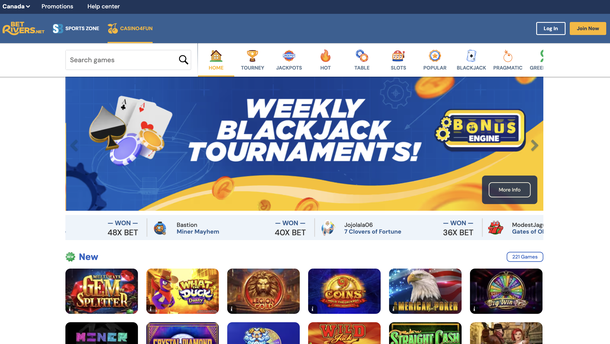
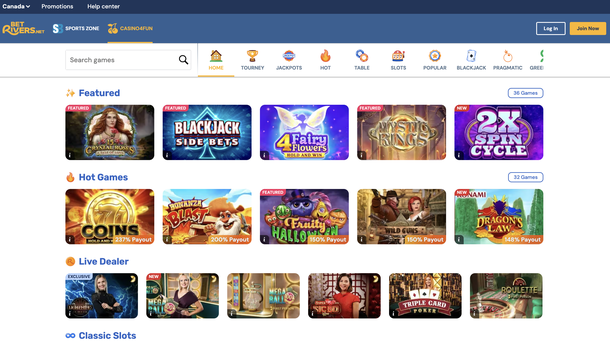
The casino lobby needs to do one thing well before it does anything flashy: help the player decide where to go next. Categories should feel readable. Search should not be an afterthought. A player opening the site on a short break wants to move from homepage to game area without wrestling with banners that keep interrupting the path.
What The Cashier Tells You Early
The cashier reveals whether the platform is designed for real use or only for first impressions. A strong cashier shows the method options clearly, keeps the amount field readable, and makes the next step feel calm. A weak one creates second thoughts because the player cannot tell what is active, what is pending, and what the system expects next.
That early clarity matters more than people think. Someone returning after a few days away does not need drama. They need context - recent account activity, visible balance information, and a payment area that does not make simple actions feel strangely high-pressure.
Games, Layout, And Session Flow
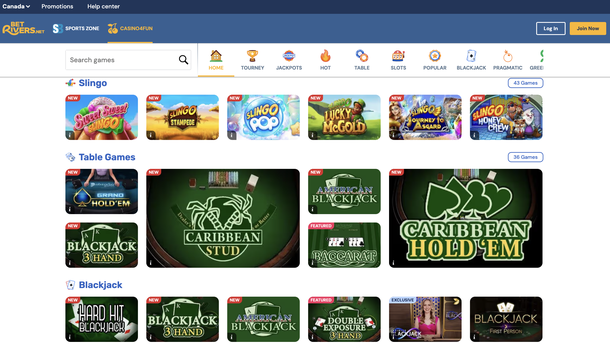
The game library is only part of the story. Yes, players care about variety. They also care about how easily they can move between categories, re-find a title, leave a game, and return to the account area without feeling like the site keeps pulling them sideways.
Betrivers also highlights several product features on its Ontario site, including a bonus store, bonus bank, loyalty rewards, live streaming, and a one-time bonus play-through message in its promotions and platform sections. Those features add shape to the ecosystem around the casino because they suggest the brand wants players to remain inside one connected account environment rather than treating each visit like a disconnected transaction.
Here is the everyday version of that test. A player opens the casino, samples a few categories, checks the rewards area, returns to the lobby, and then wants to move into the account section without feeling lost. When the platform supports that rhythm, the session feels coherent. When every feature sits in isolation, the site starts feeling larger than it is useful.
Mobile Access, Support, And Responsible Play
Mobile design deserves its own section because weak platforms fall apart there first. A desktop can hide some bad decisions. A phone cannot. On a smaller screen, oversized banners, vague tabs, and buried help routes become obvious almost instantly.
Betrivers’ Ontario terms page states that the service may be accessed by computer, mobile device, or mobile application, which matters because players increasingly move between screen sizes during the same week - sometimes during the same day. A platform that cannot keep its account flow clear across those shifts starts creating friction long before any real dispute appears.
Support is part of that mobile test. A help route should be visible before it becomes urgent. The player should not have to search three layers deep just to understand where assistance begins. When support access is obvious, the platform feels more stable. When it is tucked away, small questions start feeling heavier than they should.
Responsible play tools matter in the same practical way. Not as decoration. As usable controls. Session limits, timeout options, self-exclusion paths, and statement access are most valuable before a session gets messy, not after. A player checking the account during a busy week benefits from seeing those tools early, while the thinking is still clear and the decisions still feel measured.
Area Of Use | What A Player Should Notice | Why It Helps |
|---|---|---|
Mobile Lobby | Clear categories and readable menus | Reduces wasted movement |
Cashier View | Visible method and amount layout | Makes deposits easier to judge |
Account History | Fast access to recent records | Adds context before the next step |
Support Route | Obvious path to help | Lowers stress when questions appear |
Limit Tools | Easy-to-find control settings | Supports steadier session habits |
Exit Flow | Simple way to pause or leave | Prevents frustration from building |
Why Limits Matter More Than People Expect
Limits protect the session from turning vague. That is the real value. A player may start the evening with a harmless plan, then drift once the account, games, and cashier are all open at once. A visible control tool interrupts that drift early. It turns “I should probably slow down” into an actual decision.
Strengths, Trade-Offs, And Who It Suits
The strongest part of the platform is that it often feels built around everyday account use rather than around one single headline. The casino area, support path, responsible gaming visibility, and product extras create the impression of a system that wants repeat visits to remain manageable, not just memorable.
The trade-off is that a more structured platform can feel less spontaneous to players who prefer a stripped-down route with fewer account layers. Some users enjoy extra tools, rewards areas, and feature depth. Others just want a short path from sign-in to game selection. Betrivers will probably appeal more to the first group than the second.
That is especially true for players in Ontario who care about clarity over noise. If you value visible account sections, readable navigation, and a platform that treats the “boring” areas seriously, there is a lot to like here. If you prefer a very lean experience with fewer moving parts, you may find the broader ecosystem slightly busier than necessary.
A practical example makes that split obvious. One player logs in on a weekday, checks statements, opens the cashier, browses the casino, and appreciates that each area feels part of one system. Another player wants a faster, thinner route and may view those same account features as extra weight. Neither reaction is wrong. It depends on how you use online casino platforms in the first place.
So, is it worth attention in Canada? For readers focused on Ontario, yes - particularly if they care about structured account flow, visible controls, and a brand that sits inside a known provincial framework rather than floating in the background without context. For broader Canadian readers, the key point is to understand which provincial market applies to you and judge the experience from there.